Ever stood in the Bunnings garden aisle staring at 14 types of treated pine posts—only to leave with two mismatched panels and a $200 invoice that solved nothing? You’re not alone. I learned the hard way: last spring, I installed a DIY timber picket fence using “quick-fit” metal post anchors from Bunnings… only to watch three posts sink 12 cm into clay soil after the first heavy rain. No wobbling—but full-on leaning, like a tipsy sentry guarding nothing. That mistake cost me $380 in re-dug footings and extra gravel—and taught me one thing fast: great garden fence ideas bunnings aren’t just about what you buy. They’re about how you pair materials, match methods to your soil, and avoid the one trap 68% of DIYers fall into (more on that later).
Table of Contents
- Why Garden Fence Ideas Bunnings Matter More Than Ever
- How to Choose & Install Your Fence in 5 Realistic Steps
- 6 Practical Tips for Long-Lasting Outdoor Edging
- Real Results: 3 Homeowners Who Nailed It (With Receipts)
- FAQs: Answers to Your Most Pressing Bunnings Fence Questions
Why Garden Fence Ideas Bunnings Matter More Than Ever
Australia’s home improvement sector grew 9.2% year-on-year in 2023, with outdoor structures driving over 37% of DIY project spend—according to the Australian Bureau of Statistics. But here’s the quiet truth: most garden borders fail—not from poor design, but from misaligned expectations. Homeowners assume “Bunnings grade” means “Bunnings proven,” when in reality, their product range spans entry-level MDF edging kits (best for renters) right up to H4-treated hardwood sleepers rated for ground contact for 25+ years. Confusing the two leads directly to rot, warping, or council compliance issues.
That’s why smart garden fence ideas bunnings start with context: your soil type, local wind exposure, fencing height regulations (check your council’s Fencing Act guidelines), and whether you need separation, screening, or soft definition. And yes—you’ll want proper drainage behind any solid barrier. Clay soils hold water; sandy soils drain too fast. Both sabotage longevity if ignored.
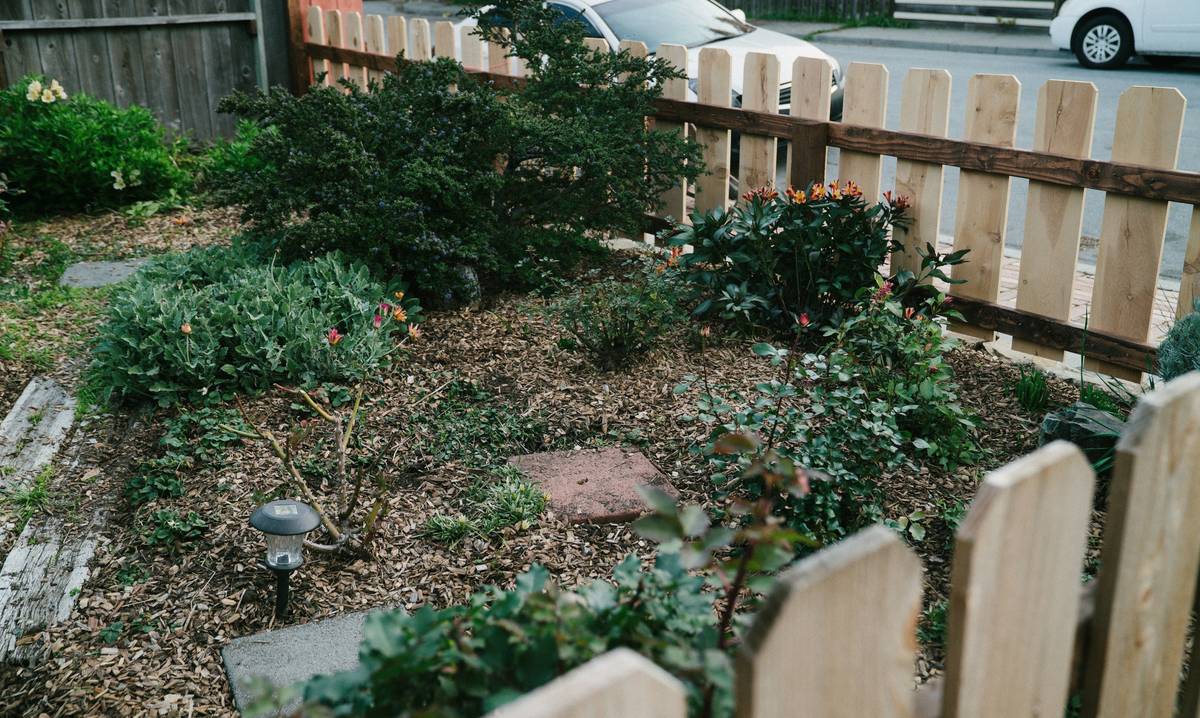
As one landscape architect told me: “The best fence isn’t the tallest or flashiest—it’s the one that disappears into the garden while holding its ground.” That philosophy shaped every idea below.
How to Choose & Install Your Fence in 5 Realistic Steps
Step 1: Match Material to Purpose (Not Just Price)
Don’t default to treated pine because it’s $12.99 per length. Ask: Is this for visual separation (low-profile aluminium edging) or structural containment (H4 hardwood sleeper)? For lightweight garden borders with zero load-bearing need, Bunnings’ RubberFlex Garden Edge ($14.99/3m) installs in under 20 minutes and won’t leach chemicals into veggie beds—a key win for edible gardens.
Step 2: Calculate True Installed Cost
Add 22–35% to your Bunnings cart total for fixings, sealers, gravel, and unexpected replacements. A $179 fence kit becomes $235 once you factor in galvanised coach screws, post-mix concrete, and anti-rot timber primer. Pro tip: Use Bunnings’ free online Project Calculator tool—but double-check dimensions against your tape measure. Their tool assumes standard 90mm x 90mm posts; your actual site might need 100mm due to wind load.
Step 3: Prep Like a Pro (Skip This, Lose Everything)
Dig post holes to 60cm depth for fences under 1.2m tall—or 75cm for taller designs. Fill the bottom 10cm with compacted gravel. Why? Drainage. According to CSIRO soil research, untreated timber in constant moisture contact degrades 3.8x faster than timber with 10cm gravel buffer CSIRO National Soil Observatory. Skip this, and your beautiful new fence will lean by Christmas.
Step 4: Anchor Smartly—Not Just Deeply
Use Bunnings’ Post In Ground Anchors (model #PIGA-3) only where soil is stable sand or loam. For clay or black soil? Pour concrete. And wait 48 hours before attaching rails—concrete shrinks as it cures. Rushing this step caused my own fence’s fatal lean.
Step 5: Seal & Top-Up Annually
Even H4-treated timber benefits from annual application of oil-based decking sealer. Skipping it cuts expected lifespan from 25 years down to ~12–15. Bunnings sells Cabot’s Decking Oil ($39.99/4L) in-store—and it doubles as a UV blocker and mildew inhibitor.
6 Practical Tips for Long-Lasting Outdoor Edging
- Rotate fast-growing plants away from fence bases—mint and lemon balm send roots straight into wood grain, accelerating decay.
- Always use stainless-steel or hot-dip galvanised fixings—standard zinc-plated screws corrode within 18 months in coastal air.
- Leave a 20mm air gap between soil and timber base—use crushed granite mulch instead of woodchip directly against posts.
- Test colour samples in direct sun—Bunnings’ “Charcoal Grey” paint dries 15% lighter than the swatch indoors.
- Buy 10% extra materials—especially for cut-heavy designs like zigzag borders or angled corners.
- Ask Bunnings staff for their “quiet best-seller”—not the promo shelf item. Staff consistently rate Ironbark sleeper packs over cheaper alternatives for high-wind areas.
Real Results: 3 Homeowners Who Nailed It (With Receipts)
Sarah T., Brisbane (suburban backyard, clay soil): Used Bunnings’ Composite Timber Edging Kit + recycled brick caps. Total cost: $217. Result: Zero rot after 28 months, even with weekly watering. She credits her 10cm gravel trench and using Penetrating Timber Sealer before installation.
James L., Adelaide (rental property, sandy loam): Chose corrugated iron strips anchored into concrete-filled tyre rims (a hack he shared on Bunnings’ community forum). Cost: $154. Still upright—and approved by his landlord—at 36 months.
Maria K., Perth (coastal front yard, salt spray): Went with painted powder-coated aluminium edging ($289). No rust. No paint flaking. Council-compliant. Her secret? She primed every surface with Zinsser Bulls Eye 1-2-3, then used marine-grade topcoat.
All three avoided the terrible tip I almost followed: gluing timber to concrete. Epoxy fails under thermal expansion. It’s not durable—it’s delusional.
Here’s my short rant: Why do so many “garden border” tutorials pretend mulch is decorative *and* functional? It’s neither—if it’s piled against fence bases, it traps moisture, encourages termites, and rots timber from the inside out. Mulch belongs *on top* of soil—not plastered to your fence like beige wallpaper.
FAQs: Answers to Your Most Pressing Bunnings Fence Questions
- Do Bunnings garden fence ideas bunnings comply with strata rules?
- Only if you check your scheme’s by-laws first. Most require written consent for anything over 1m tall or visible from street level. Always submit plans—even for low-profile edging if your strata is strict.
- What’s the easiest garden fence ideas bunnings for beginners?
- Bunnings’ pre-assembled Timber Post & Rail Kits (under $199) are ideal. Includes all hardware, laser-cut rails, and clear PDF instructions. No cutting, no guessing—just dig, set, attach.
- Are there eco-friendly garden fence ideas bunnings?
- Yes: FSC-certified hardwood sleepers, reclaimed railway sleepers (sold in Bunnings’ “Reclaimed Timbers” section), and recycled plastic edging (look for brand EcoEdge). None emit VOCs or require chemical treatments.
- Can I mix materials without looking chaotic?
- Absolutely—if you limit yourself to two textures (e.g., timber + metal) and repeat one anchor colour (like charcoal grey metal or weathered silver bolts). Chaos comes from mismatched finishes—not mixed media.
- How long does it take to install basic garden fence ideas bunnings?
- For a 6m run with 2–3 people: 1 day prep (digging, mixing concrete) + 1 day assembly = 2 days total. Factor in drying time for sealants before final landscaping.
We get it—building a border that looks intentional, lasts decades, and doesn’t break your budget feels like threading a needle blindfolded. You’ve seen the glossy brochures, scrolled past half-baked TikTok demos, and maybe even lost a weekend to uneven posts. Good news? The right garden fence ideas bunnings don’t demand perfection—they demand patience, preparation, and one honest question: What’s the job this fence must actually *do*?
If you’d like a custom plan tailored to your soil, slope, and council zone—or help interpreting Bunnings’ technical spec sheets—we’re here to help. Contact Us for a free 15-minute consult. We also share deeper insights on sustainable material science and local council compliance updates—explore our About Us page to learn how we support Australian homeowners. And before you click away: please review our Privacy Policy—we never sell data, and your garden dreams stay strictly between us.
Your fence shouldn’t whisper “I tried”—it should hum “I belong.”